Metalimbaj
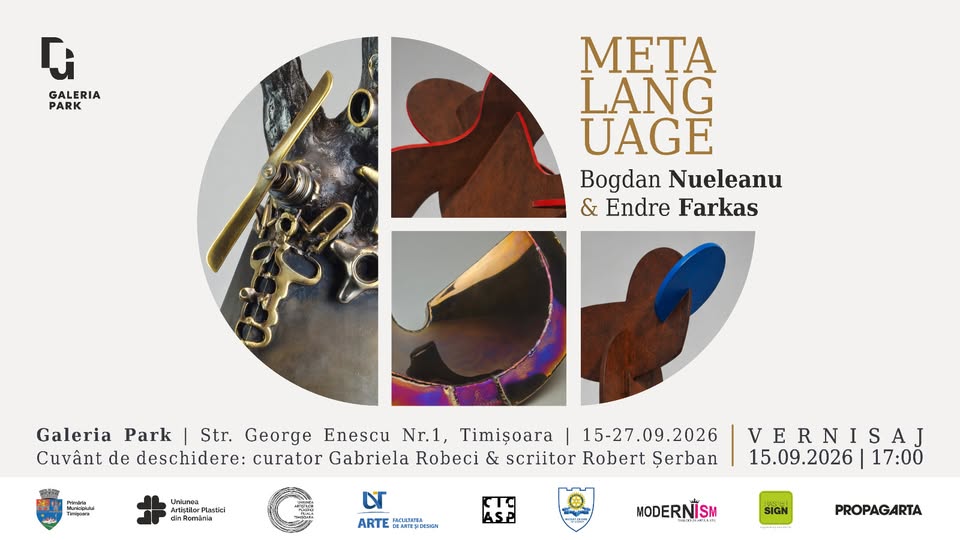
Sculptura ne vorbește. Nouă, celor din public, artiștilor, implicaților și neimplicaților ne vorbește prin însăși materia sa.
Conversația este purtată mai întâi între sculptor și materie. Fie prin proprietățile sale, fie prin formă, ori culoare, există o atenție sporită pentru ce ne transmite arta latentă în materialul sculptural.
Atât Bogdan Nueleanu cât și Endre Farkas ascultă materia, tehnicile și lucrarea. Metalimbajul sculpturii se compune din elemente diferite, unite prin sudură sau asamblaj. Frumusețea creației la întâmplare e acceptată și potențată prin experimentări. Bogdan Nueleanu scoate la lumină calitățile cromatice ale metalului prin testarea unor temperaturi de ardere diferite. Iar Endre Farkas experimentează prin utilizarea unor culori industriale sau apelarea la rugină ca fond de suprafață.
Conversația este purtată mai apoi între public și artă. Formele create de Bogdan Nueleanu cer a fi activate. Cele compuse de Endre Farkas surprind dinamica prin asocieri de simetrii și asimetrii. În ambele cazuri, privitorii înțeleg cu atât mai mult cu cât sunt mai implicați. Mișcându-se în jurul sculpturilor poate observa schimbări de luciu și de suprafețe mate, treceri de la un metal la altul și transformarea coloristicii în funcție de dimensiunea vizuală.
Metalimbajul sculpturii ne solicită atenția. Ne roagă să stăm puțin, să privim, să o ascultăm când ne vorbește și să încercăm să vedem ce ne spune.
Gabriela Robeci
În sculptura lui Bogdan Nueleanu, metalul nu este doar materia din care se naște forma, ci devine chiar limbaj. Sudura, tensiunea, fuziunile dintre diferitele metale și urmele focului alcătuiesc o sintaxă artistică în care fiecare intervenție tehnică poartă un sens. Metalul își păstrează memoria, duritatea și greutatea, dar, prin gestul sculptorului, ele sunt convertite în expresie, ritm și emoție.
Titlul Metalanguage poate fi citit, astfel, nu doar ca „limbaj al metalului”, ci ca metalimbaj al sculpturii. Forma tridimensională vorbește despre propria ei construcție și, totodată, despre ceea ce depășește materia. De la figura recognoscibilă, a unui chip ori unei siluete, până la structurile abstracte în care referința se dizolvă, Bogdan Nueleanu construiește un teritoriu în care forma mizează atât pe sugestii, cât și pe referințe.
Robert Șerban
Pentru Endre Farkas metalul devine un teritoriu al asamblării și al ordonării, un material prin care investighează posibilitățile formei geometrice. Volumele, planurile și liniile sunt desprinse din funcția lor strict constructivă și recompuse într-un joc de echilibre, tensiuni și contrapuncte. Formele nu se izolează, ci intră într-o dinamică permanentă, se intersectează, se susțin sau se contrazic, generând structuri care par să-și negocieze continuu propria stabilitate.
În această gramatică a geometriei, culoarea are un rol esențial și intervine ca un instrument de articulare vizuală: accentuează volume, separă planuri, scoate la suprafață structuri și intensifică raporturile spațiale. Culoarea introduce, astfel, o dimensiune energică într-o sculptură ce mizează aparent pe rigoarea geometriei.
Robert Șerban
_______________________________________________
Metalanguage
Sculpture speaks to us. It speaks to us, the audience, the artists, those involved, and those not involved through its very material.
The conversation first takes place between the sculptor and the material. Either through its properties, its form, or its color, there is a heightened focus on what the art latent within the sculptural material conveys to us.
Both Bogdan Nueleanu and Endre Farkas listen to the material, the techniques, and the work itself. The metalanguage of sculpture is composed of different elements, joined through welding or assembly. The beauty of chance creation is embraced and enhanced through experimentation. Bogdan Nueleanu brings out the chromatic qualities of the metal by testing different firing temperatures. And Endre Farkas experiments by using industrial colors or employing rust as a surface background.
The conversation then unfolds between the audience and the artwork. The forms created by Bogdan Nueleanu ask to be activated. Those composed by Endre Farkas capture dynamics through combinations of symmetries and asymmetries. In both cases, the more viewers are involved, the more they understand the work. As they move around the sculptures, they can observe changes in shine, and in matte surfaces, transitions from one metal to another, and shifts in color depending on the visual dimension.
The metalanguage of sculpture demands our attention. It asks us to pause for a moment, to look, to listen when it speaks to us, and to try to understand what it says.
Gabriela Robeci
In Bogdan Nueleanu’s sculpture, metal is not merely the material from which form is born, but it becomes a language in its own right. Welding, tension, the fusions between different metals, and the traces of fire form an artistic syntax in which every technical intervention carries meaning. Metal retains its memory, hardness, and weight, but through the sculptor’s gesture, these are transformed into expression, rhythm, and emotion.
The title Metalanguage can thus be interpreted not only as the “language of metal,” but also as the metalanguage of sculpture. The three-dimensional form speaks of its own construction, and, at the same time, of what transcends the material itself. From the recognizable figure, a face or a silhouette, to abstract structures, in which the reference dissolves, Bogdan Nueleanu constructs a realm in which form relies on both suggestions and references.
Robert Șerban
For Endre Farkas, metal becomes a realm of assembly and organization, a material through which he explores the possibilities of geometric form. Volumes, planes, and lines are detached from their strictly constructive function and recomposed in a play of balances, tensions, and counterpoints. The forms do not stand alone, but enter a constant dynamic, intersecting, supporting, or contradicting one another, generating structures that seem to continually negotiate their own stability.
In this grammar of geometry, color plays an essential role and functions as a tool for visual articulation: it accentuates volumes, separates planes, brings structures to the surface, and intensifies spatial relationships. Color, thus, introduces an energetic dimension into a sculpture that seemingly relies on the rigor of geometry.
Robert Șerban
https://www.facebook.com/events/1443761720974371/

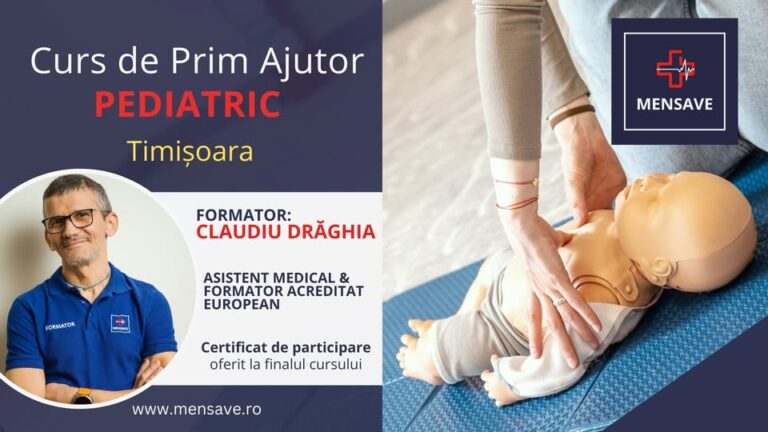 sâm, 26 sep • 09:00Curs de prim ajutor PEDIATRIC la Timișoara cu MENSAVEibis Timisoara City Center
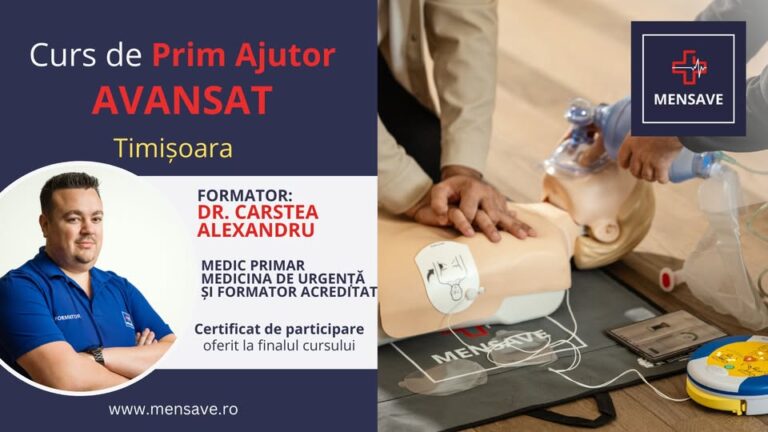 sâm, 26 sep • 14:00Curs de prim ajutor AVANSAT la Timișoara cu MENSAVEibis Timisoara City Center
 sâm, 26 sep • 14:00Curs de prim ajutor de BAZĂ la Timișoara cu MENSAVEibis Timisoara City Center
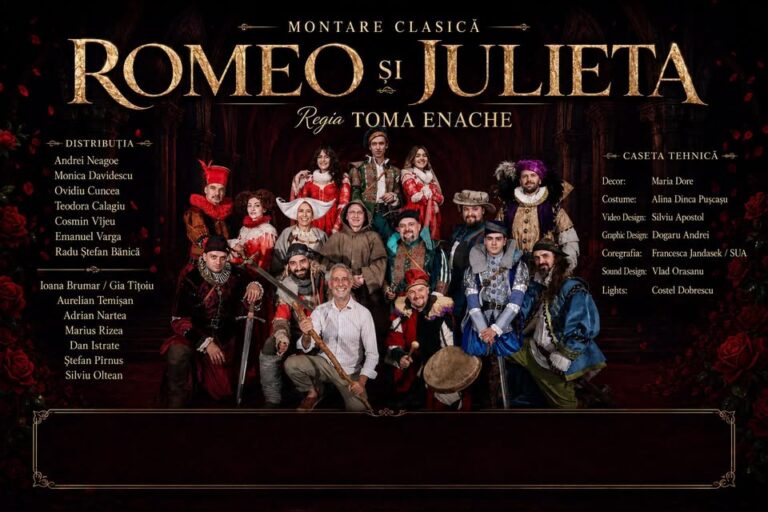 lun, 2 noi • 19:00Premiera „ROMEO SI JULIETA” – TimisoaraOpera Națională Română din Timișoara
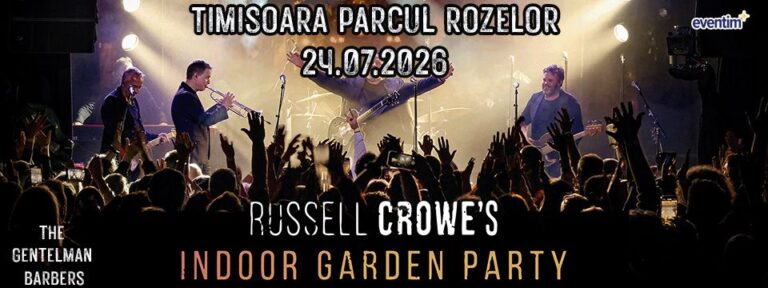 mie, 26 mai • 20:00Russell Crowe – Indoor Garden PartyParcul Rozelor
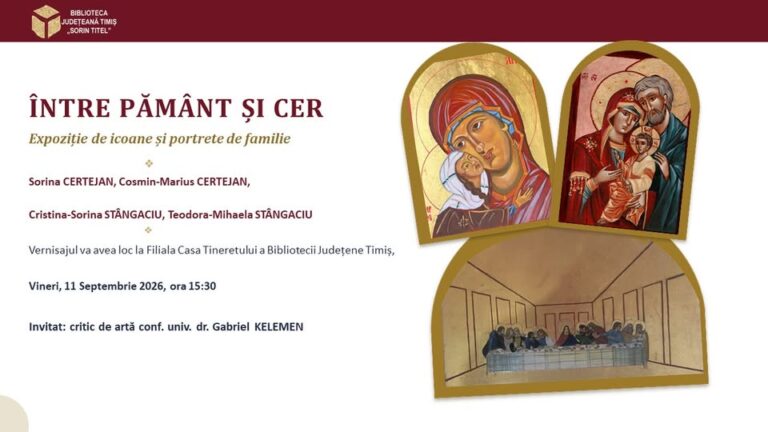 vin, 11 sep • 15:30ÎNTRE PĂMÂNT ȘI CER — Expoziție de icoane și portrete de familieCasa Tineretului Timisoara
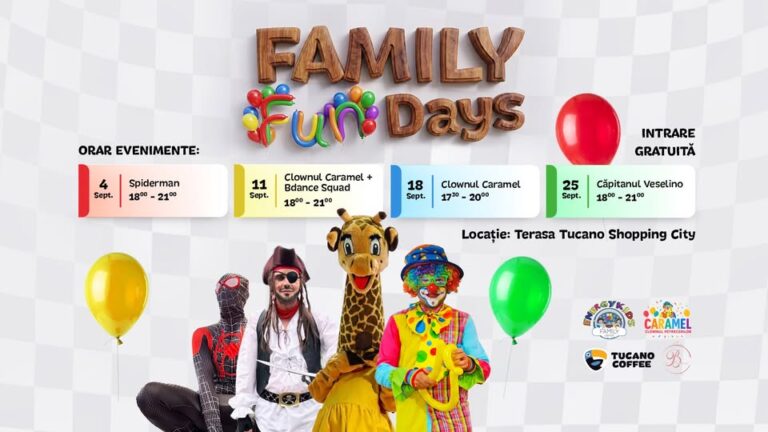 vin, 11 sep • 18:00Family Fun DaysCalea Sagului 100, Timișoara
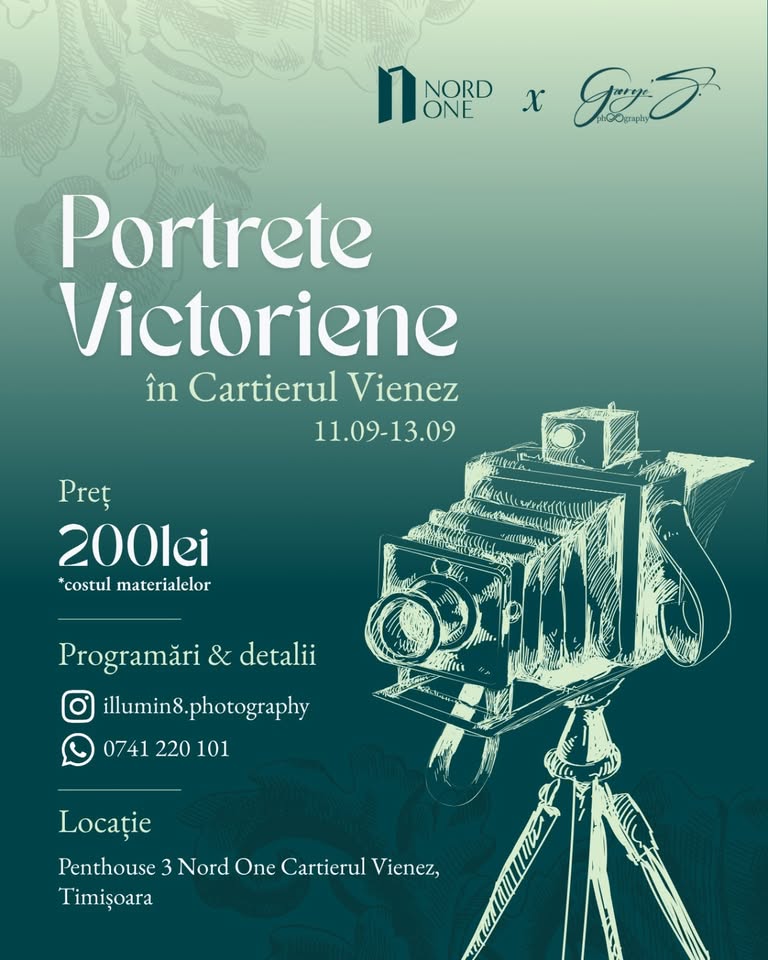 vin, 11 sep – dum, 13 sepPortrete Victoriene in Cartierul VienezCartierul Vienez, Nord One Timișoara
 sâm, 12 sep • 12:00Atelier desen-straturi succesive de creion coloratbulevardul 16 Decembrie 1989 nr 43, Hala C4C, Timisoara, Romania
 sâm, 12 sep • 16:00Access All Areas WorkshopStrada Borsec 6, Timisoara, Romania
 dum, 13 sep • 18:00Open Studiobulevardul 16 Decembrie 1989 nr 43, Hala C4C, Timisoara, Romania
 joi, 17 sep • 17:00TIFF Timișoara | 3rd editionTimisoara
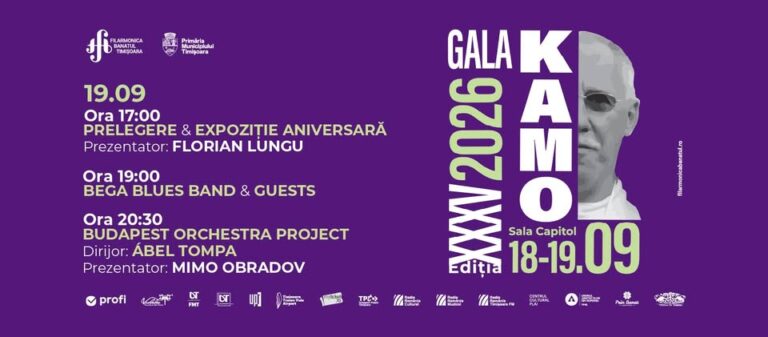 sâm, 19 sep • 17:00Gala KAMO – Day II | BEGA BLUES BAND & GUESTS | BUDAPEST ORCHESTRA PROJECTFilarmonica Banatul Timișoara
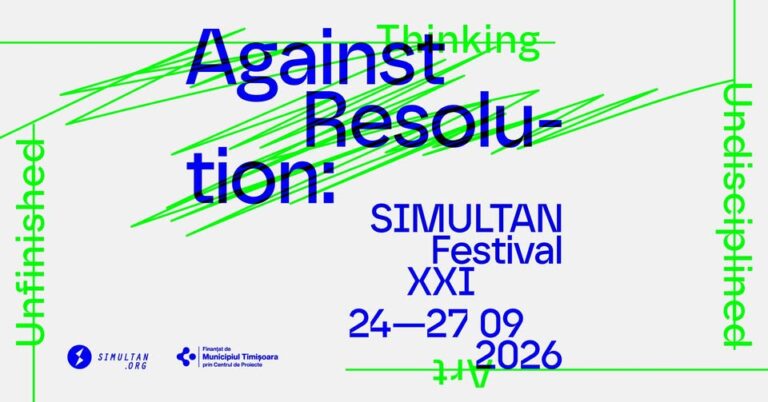 joi, 24 sep – dum, 27 sepSIMULTAN Festival 2026: Against ResolutionMuzeul Corneliu Mikloși
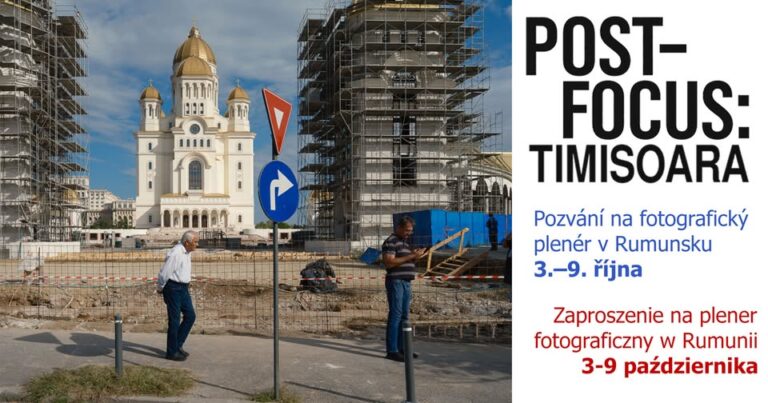 sâm, 3 oct – vin, 9 octPost-Focus: TimișoaraTimisoara
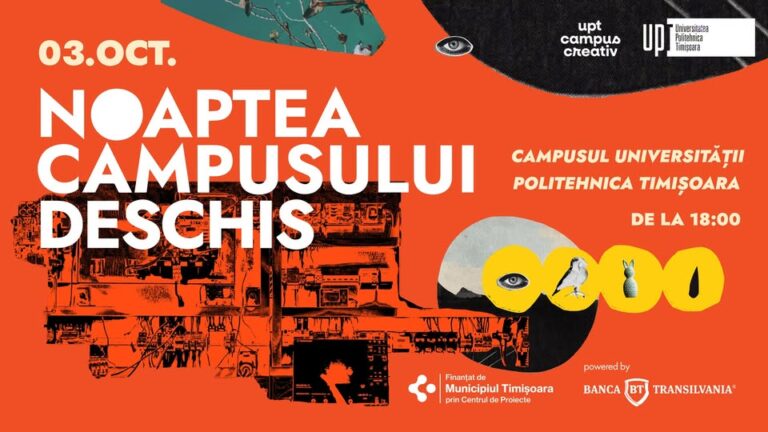 sâm, 3 oct • 18:00Noaptea Campusului DeschisCampusul UPT
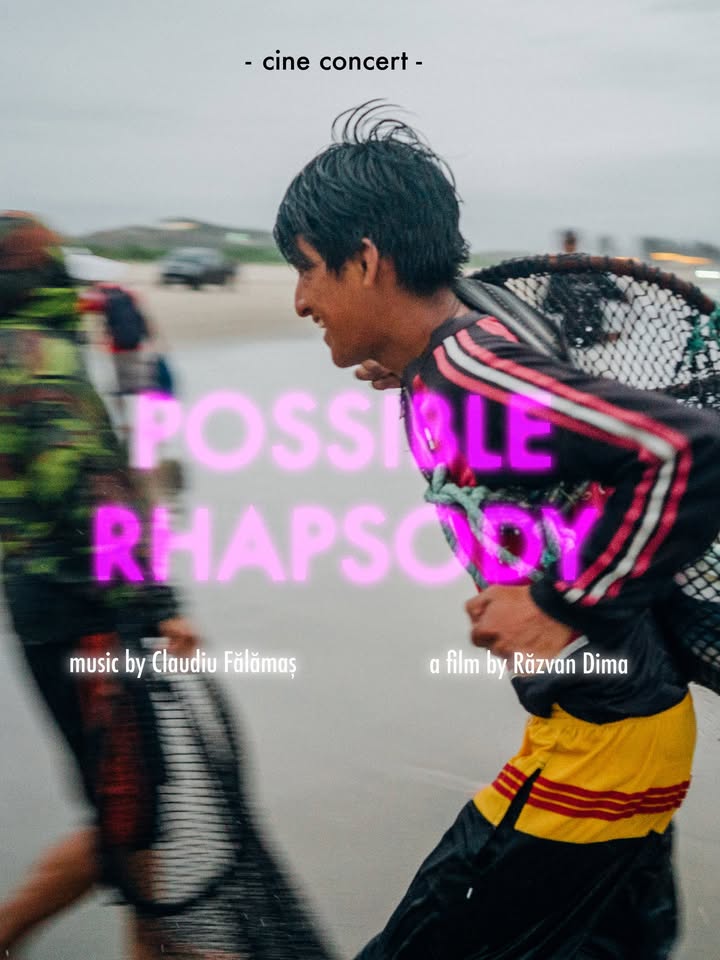 sâm, 3 oct • 23:30Possible Rhapsody – Interakt Arts (Timișoara)C4Company
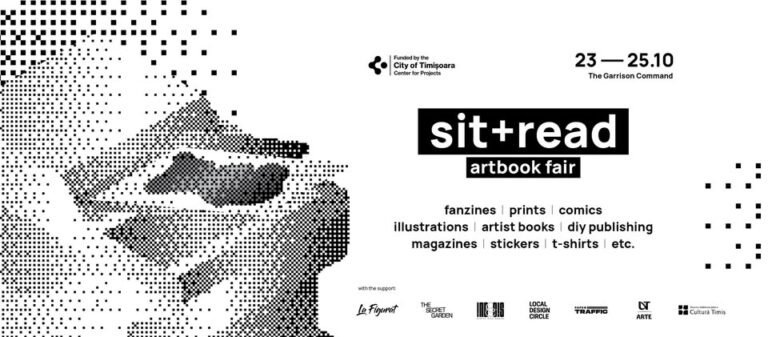 vin, 23 oct – dum, 25 octSit+Read Artbook Fair 2026Comenduirea Garnizoanei Timisoara
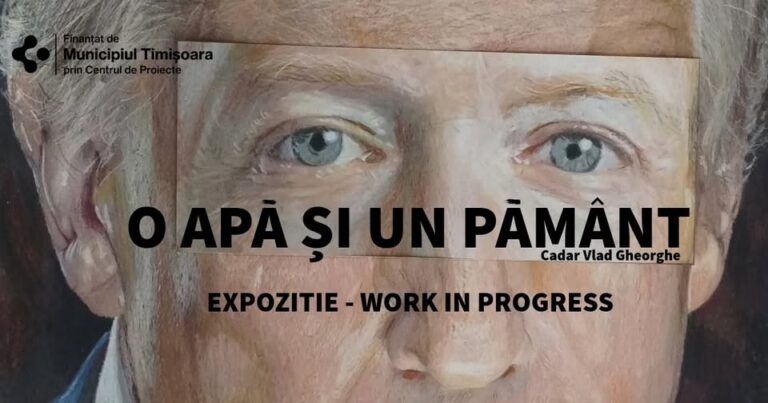 sâm, 24 oct • 19:00Expoziție – Work in progress ,,O apă și un pământ”bulevardul 16 Decembrie 1989 nr 43, Hala C4C, Timisoara, Romania
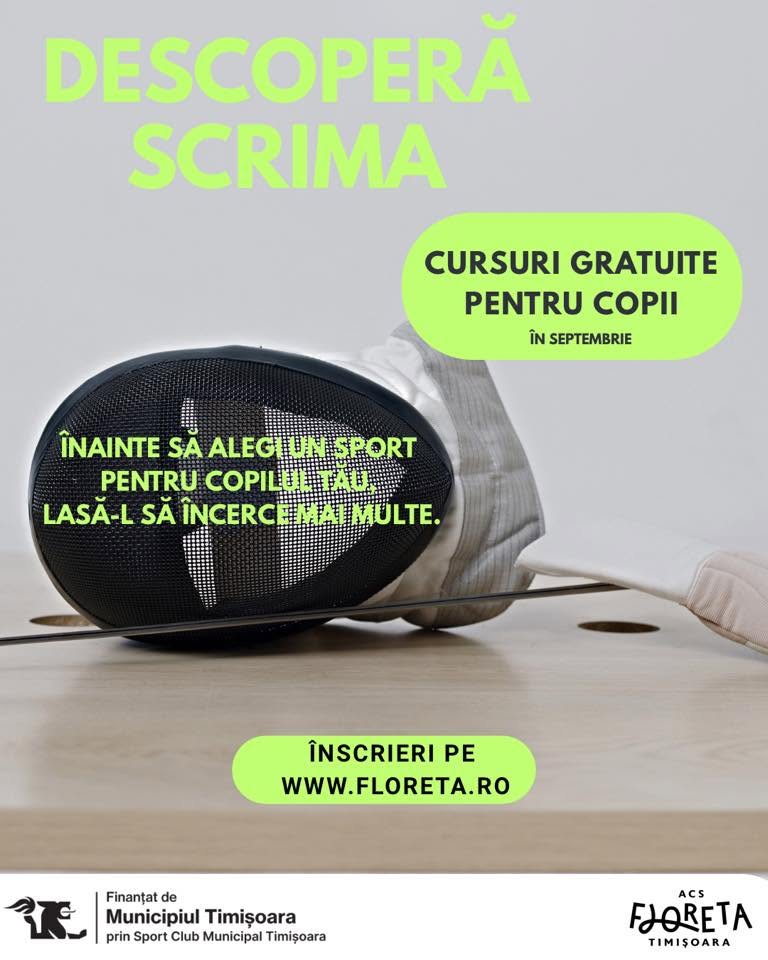 mar, 1 sep – mar, 15 sepCursuri gratuite de scrimă în septembrieCuvin 2, Timisoara, Romania
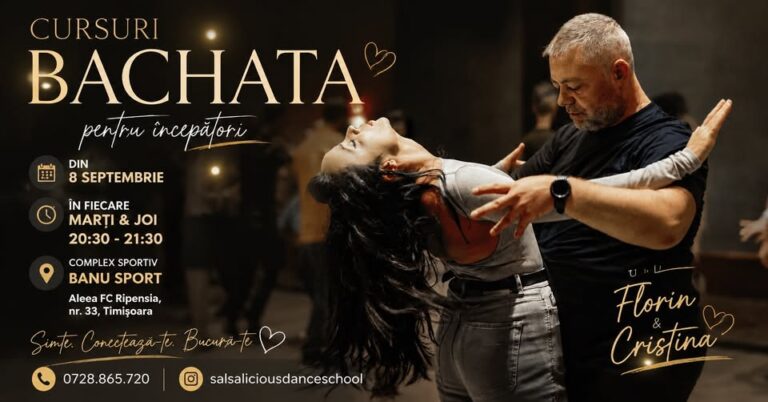 mar, 8 sep – mar, 22 sepBACHATA pentru IncepatoriStr. FC Ripensiei, nr.33, Timisoara (Banu Sport), Timisoara, Romania
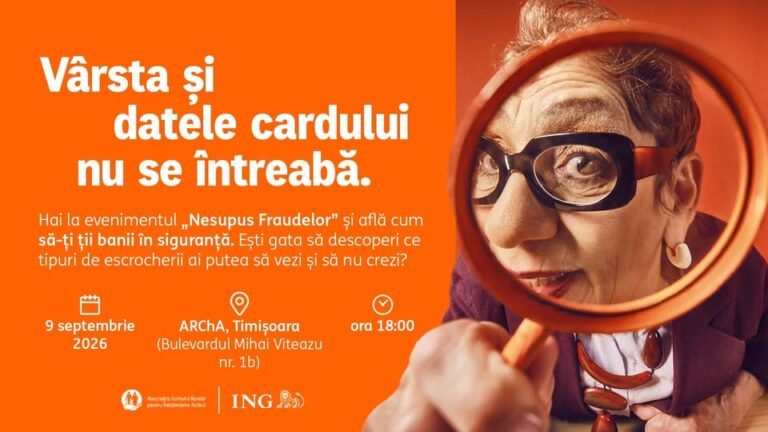 mie, 9 sep • 18:00Nesupus FraudelorBulevardul Mihai Viteazu 1b, 300222 Timișoara, România
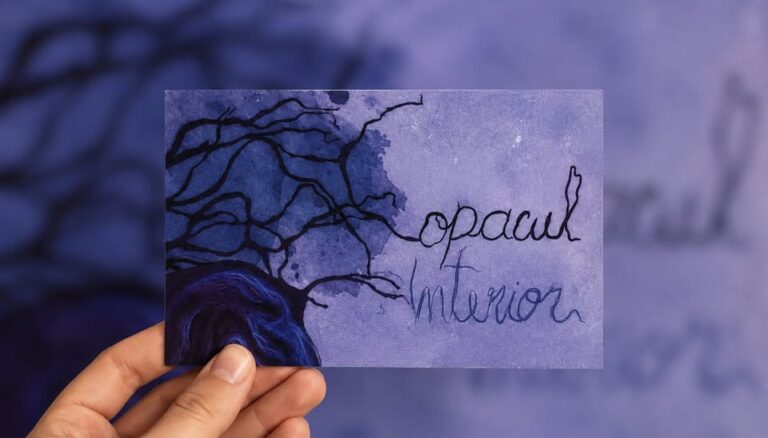 mie, 9 sep • 18:00Copacul interiorCinema Studio Timișoara
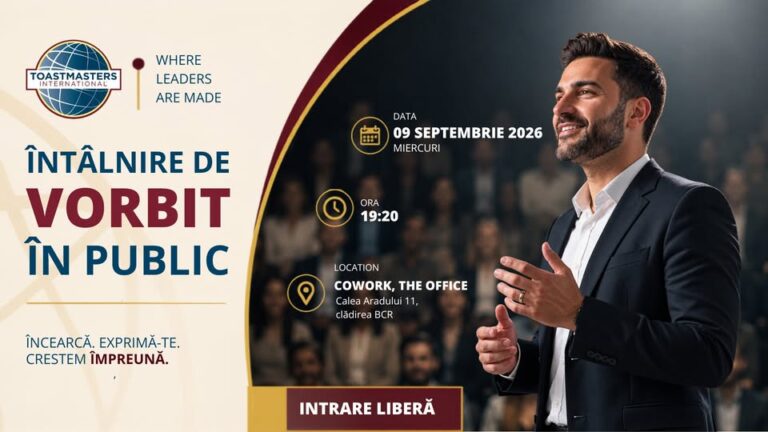 mie, 9 sep • 19:20Practică vorbitul în public | Timișoara ToastmastersCowork Timișoara (în clădirea BCR, Calea Aradului 11, paralelă cu Iulius Mall), 300088 Timisoara, Romania
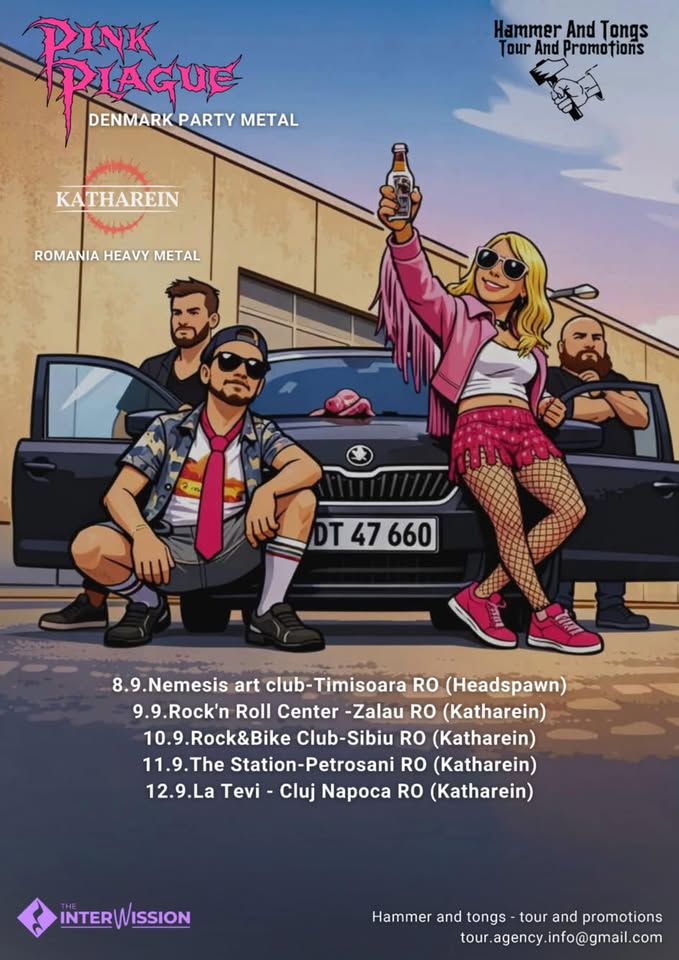 mie, 9 sep • 20:00PINK PLAGUE (DENMARK)+KATHAREIN (RO)Nemesis Art Club
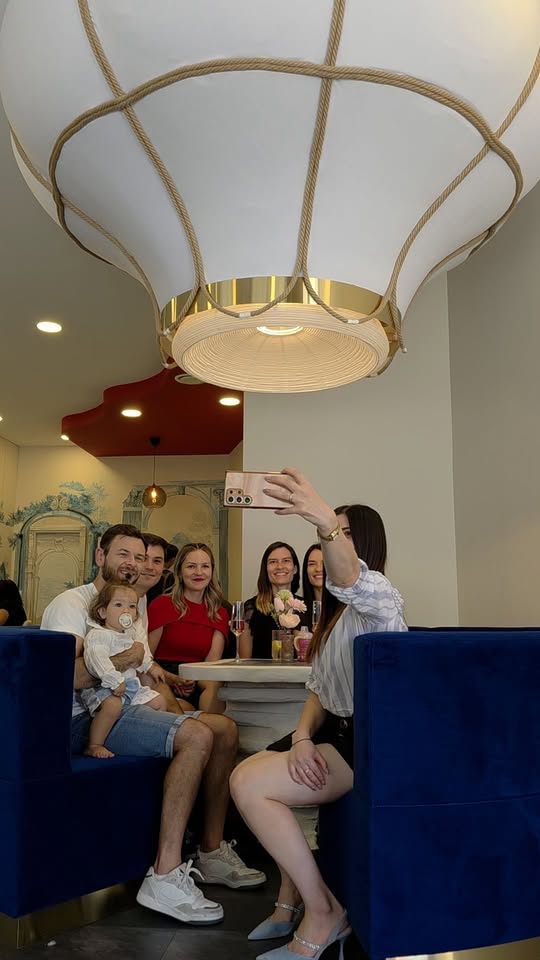 joi, 10 sep • 07:30Grand OpeningBd. Republicii, nr.2, Timisoara, Romania
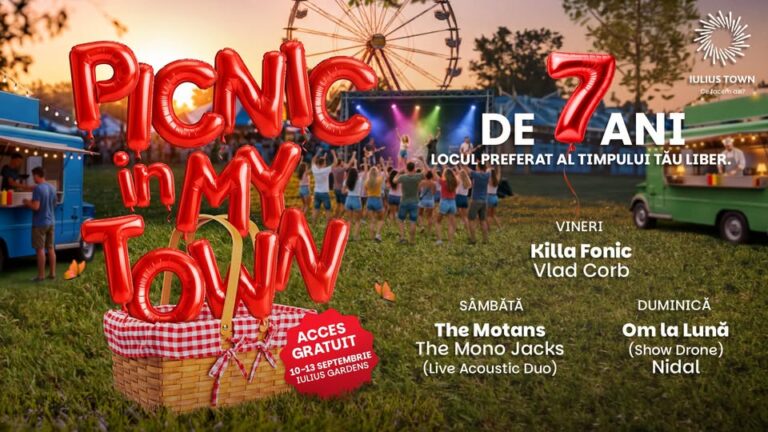 joi, 10 sep – dum, 13 sepPicnic in my Town 2026Piata Consiliul Europei nr. 2, 300627 Timisoara, Romania
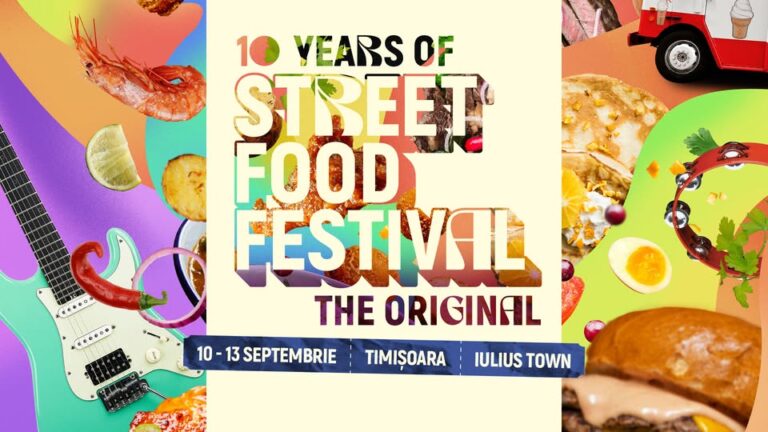 joi, 10 sep – dum, 13 sepStreet FOOD Festival Timișoara | 2026Iulius Town Timisoara
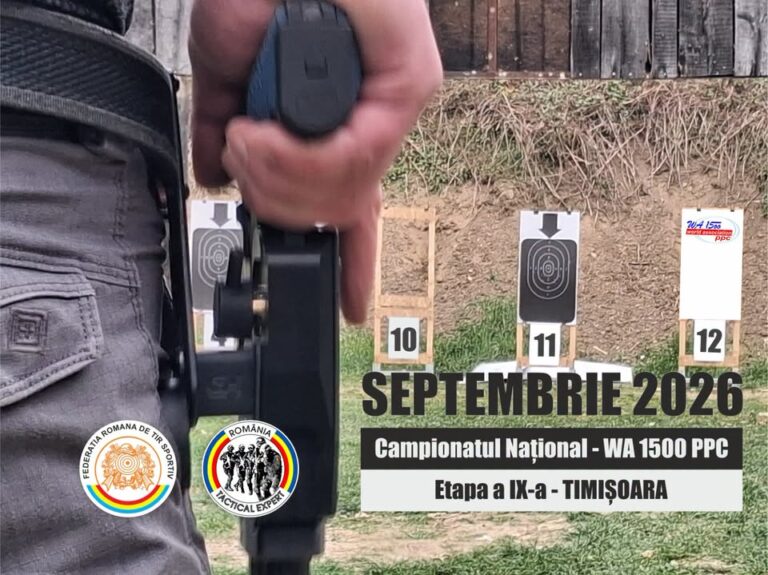 joi, 10 sep – sâm, 12 sepEtapa a IX-a Campionatul National WA 1500 PPC 2026.Poligon AJVPS Padurea Verde TIMISOARA